

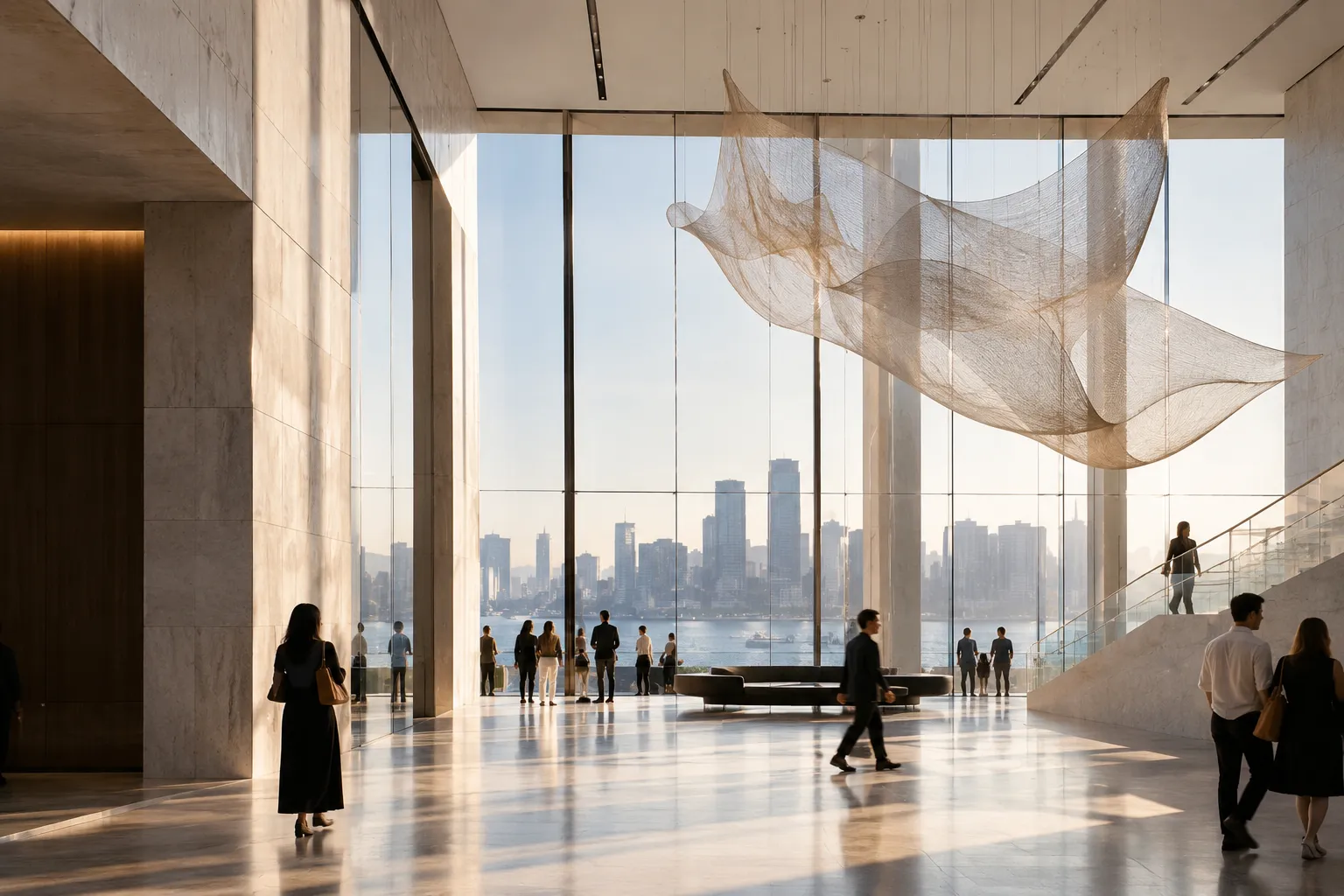
Shaping how places are experienced, understood and remembered
Our practice grew from a simple observation: art creates greater value when it is considered in relation to the place it inhabits and the people who experience it.
Placemaking
Approach
Our practice lies at the intersection of art, people and place.
Placemaking gives us the framework to understand the relationship between art, place and people.
It allows us to look beyond the artwork itself to the identity, context, audience and ambitions of a place, and to consider what role art can meaningfully play within it.
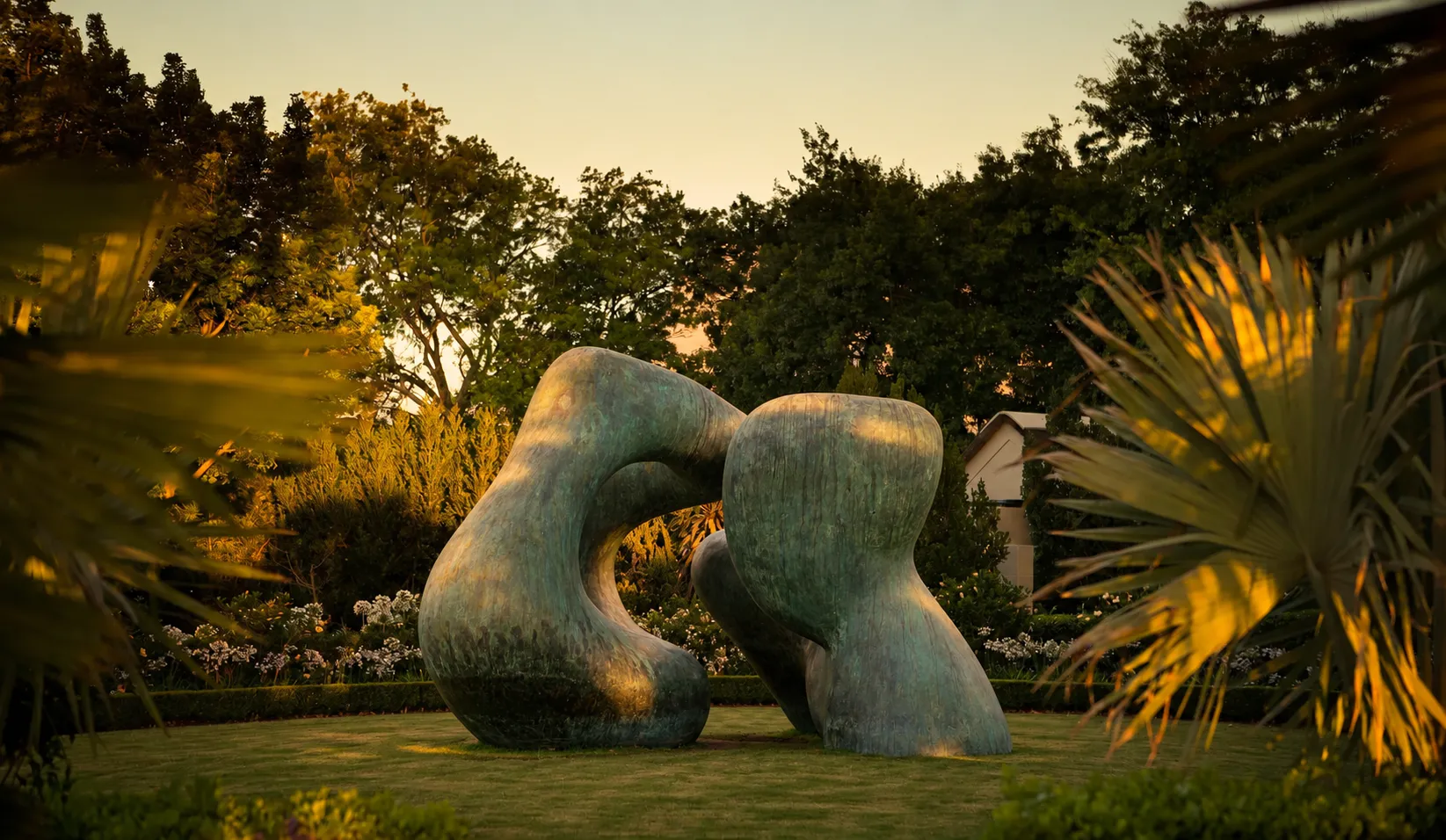
Place before art.
Before defining what art should be, we understand what the place needs it to do.
This perspective guides every decision, helping ensure the art feels connected to its environment, relevant to the people who experience it and purposeful within the wider life of the place.
Our role is to hold that vision together, so the cultural investment remains coherent, relevant and capable of creating value over time.
Our Perspective
The value of art grows through connection.
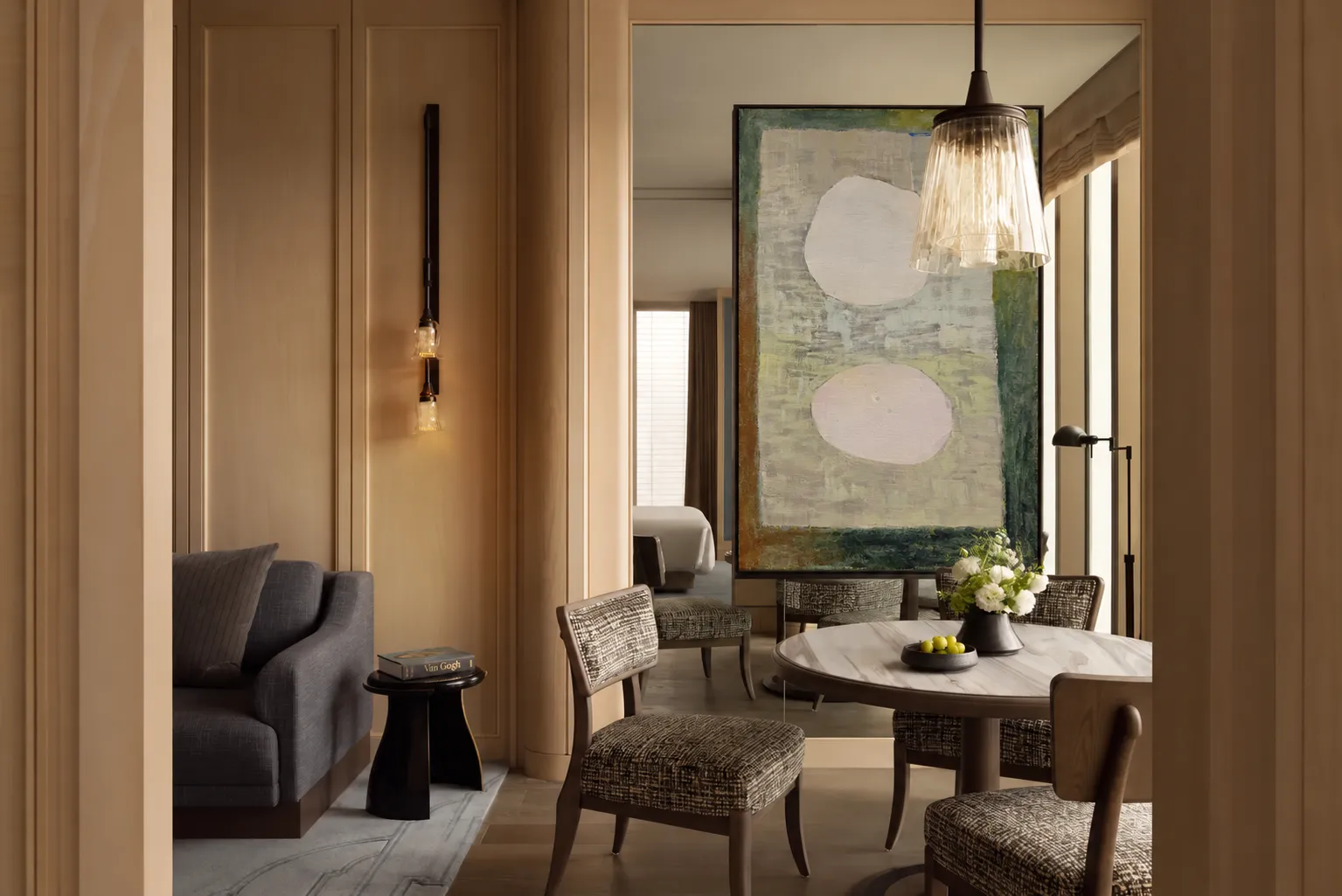
We see art as a cultural investment that grows in value through interpretation, engagement and continued relevance.
A collection’s ability to connect is greatest when a cultural life is built around it, creating opportunities for people to discover, understand and engage with the work.
Activated in this way, art begins to work harder for the place. It can strengthen identity, deepen engagement and build a more lasting relationship between people and place.
Over time, the value of the original investment extends beyond the artworks themselves into the experience, reputation and long-term distinction of the place.
The impact of placemaking
The Human Impact
- +53%Place Appeal
- +50%Desire to Stay
- +53%Personal Connection
- +77%Likely to Recommend
Source: Toronto Metropolitan University et al., The Value & Impact of Placemaking.
The Commercial Impact
- 60%Reported More Customers
- 48%Reported Revenue Growth
- +148%Property Value Growth
Source: Indiana University Public Policy Institute, Indianapolis Cultural Trail Impact Assessment (2015)